

Common Mistakes in Mobile App and Website Development—and How to Avoid Them
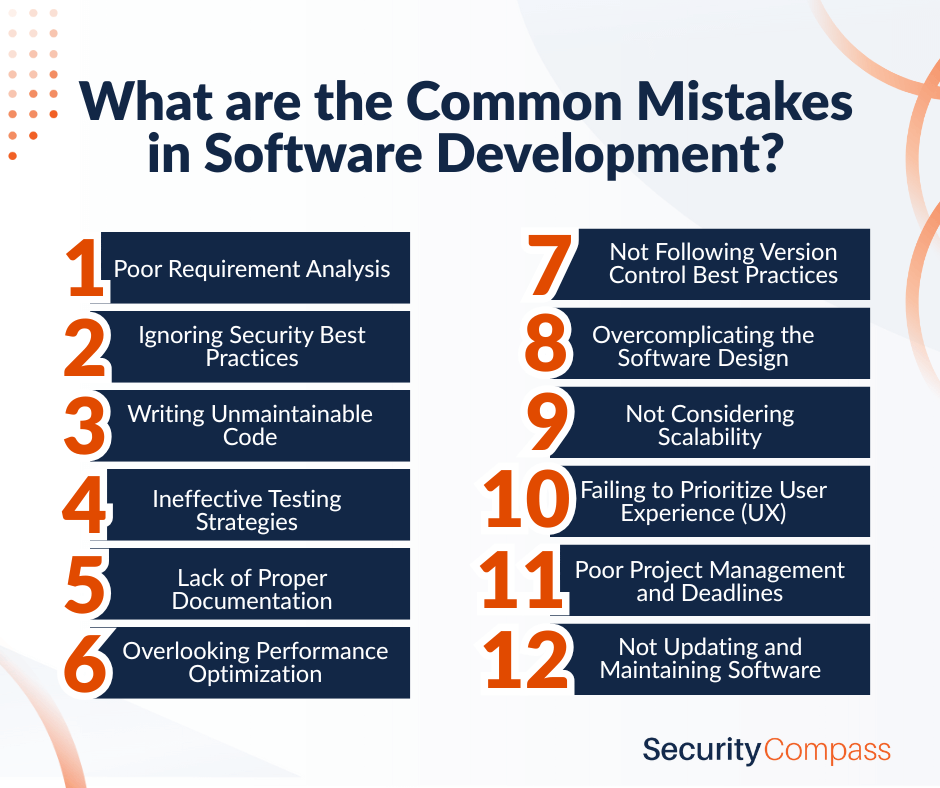
Common development failures stem from poor planning, unclear requirements, and neglecting scalability. Technical debt accumulates when short-term decisions override long-term strategy. Avoiding these pitfalls requires structured discovery, clear documentation, and continuous optimization. Successful digital products are built through disciplined execution and strategic foresight.
API-Driven Development: Building Scalable Web and Mobile Applications
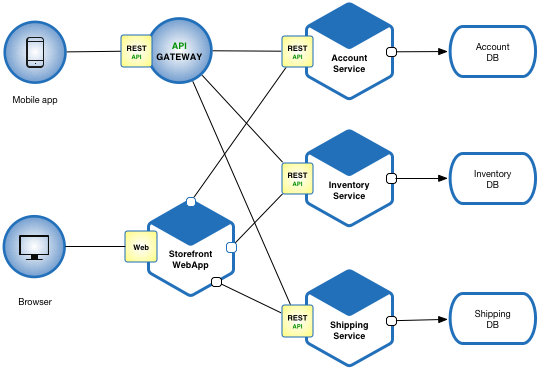
API-driven development enables modular, scalable systems that support multiple platforms. By decoupling frontend and backend, teams gain flexibility and faster iteration cycles. This architecture supports mobile apps, web apps, third-party integrations, and future channels without reengineering core systems.
Website Development for Business Growth: Features That Actually Matter
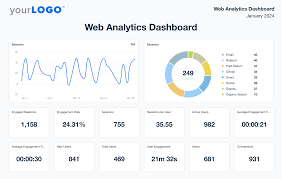
Growth-oriented websites prioritize performance, analytics, and conversion optimization. Key features include fast load speeds, SEO-ready structure, secure hosting, and data-driven insights. A website should function as a business engine, not a static brochure—supporting lead generation, customer engagement, and operational efficiency.
Mobile-First Development: Why It’s a Non-Negotiable Strategy
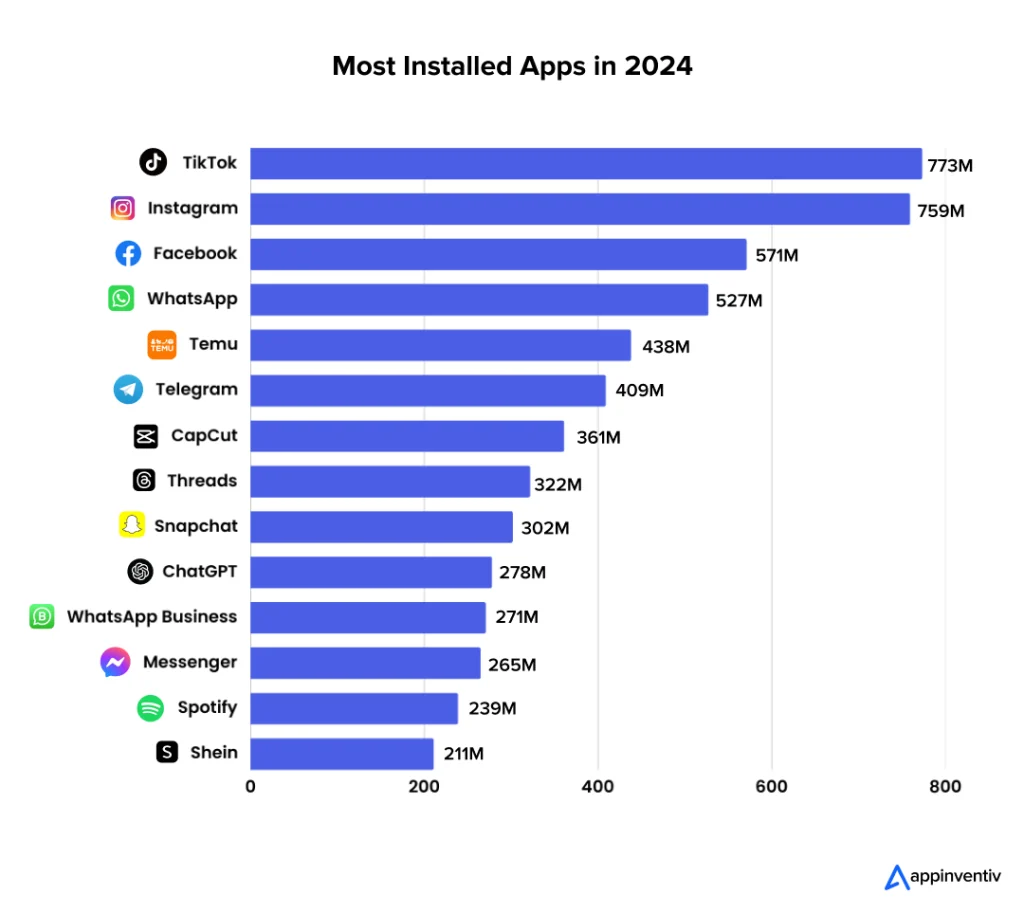
With mobile traffic dominating global usage, mobile-first development is no longer optional. Designing for smaller screens forces prioritization, clarity, and performance discipline. Mobile-first platforms deliver faster load times, improved SEO rankings, and higher engagement. This strategy ensures consistent experiences across devices while future-proofing digital assets.
The Role of MVP Development in Successful Digital Products
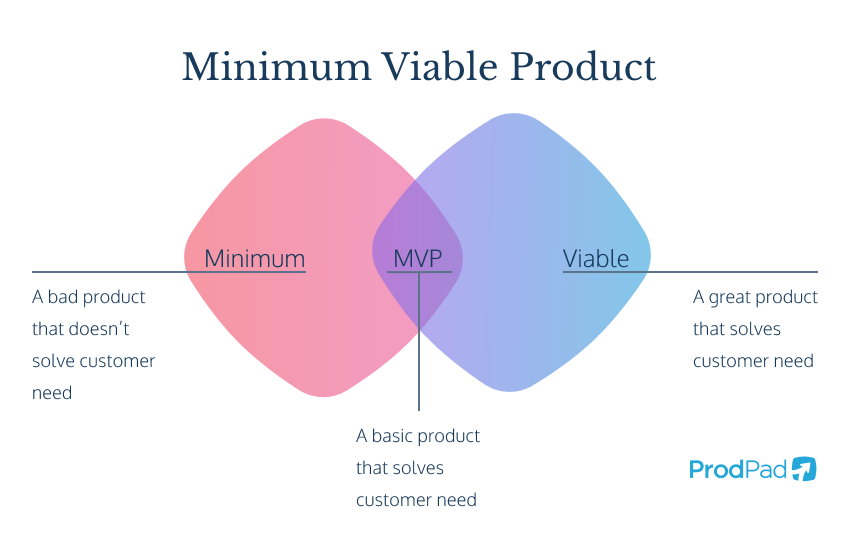
MVP development is a risk-mitigation strategy designed to validate assumptions with minimal investment. By focusing on core functionality, businesses can gather real user feedback early. This approach accelerates learning, reduces waste, and informs smarter roadmap decisions. MVPs are not incomplete products—they are strategic validation tools. Organizations that embrace MVP thinking consistently outperform those that overbuild […]
Choosing the Right Tech Stack for Your Mobile App or Website
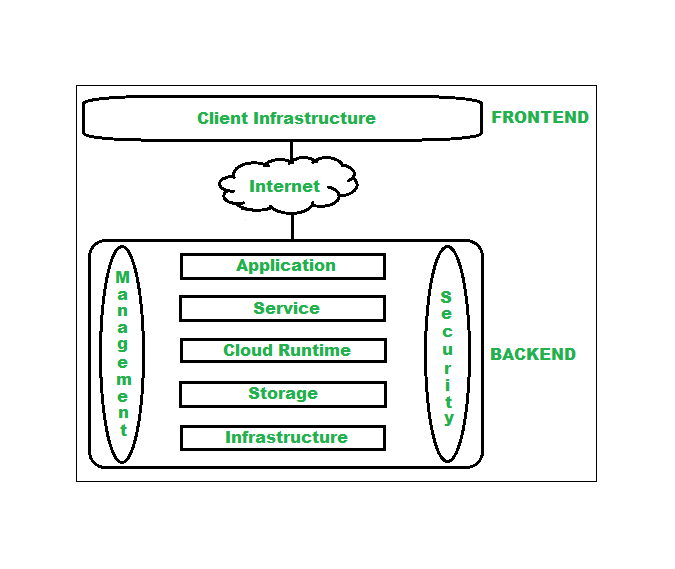
Selecting the right tech stack is a strategic decision with long-term implications. The optimal stack balances performance, scalability, development velocity, and maintenance cost. Frontend frameworks define user experience, while backend technologies govern data integrity and system reliability. Cloud platforms enable elastic scaling, while APIs ensure interoperability across systems. A well-chosen tech stack enables faster innovation, […]
How UI/UX Design Impacts Conversion Rates in Mobile and Web Applications
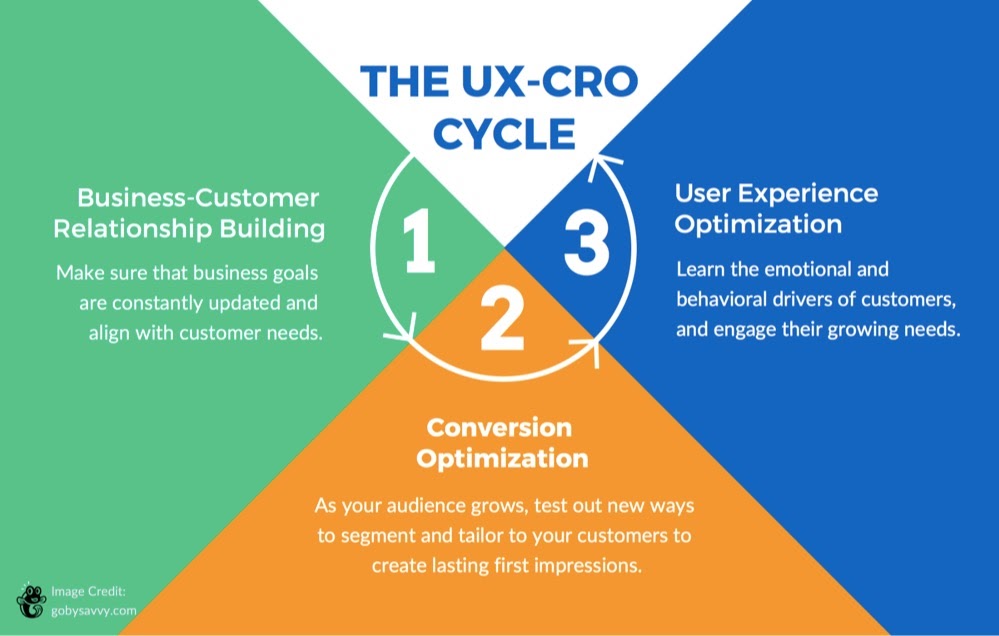
UI/UX design is a revenue driver, not a visual afterthought. Every interaction—from onboarding flows to call-to-action placement—directly influences conversion rates. Effective UX reduces cognitive load, minimizes friction, and guides users toward desired outcomes. Consistent design systems, intuitive navigation, and accessibility considerations increase trust and usability across platforms. High-performing digital products treat design as a strategic […]
Custom Mobile App Development vs. No-Code Platforms: A Strategic Comparison
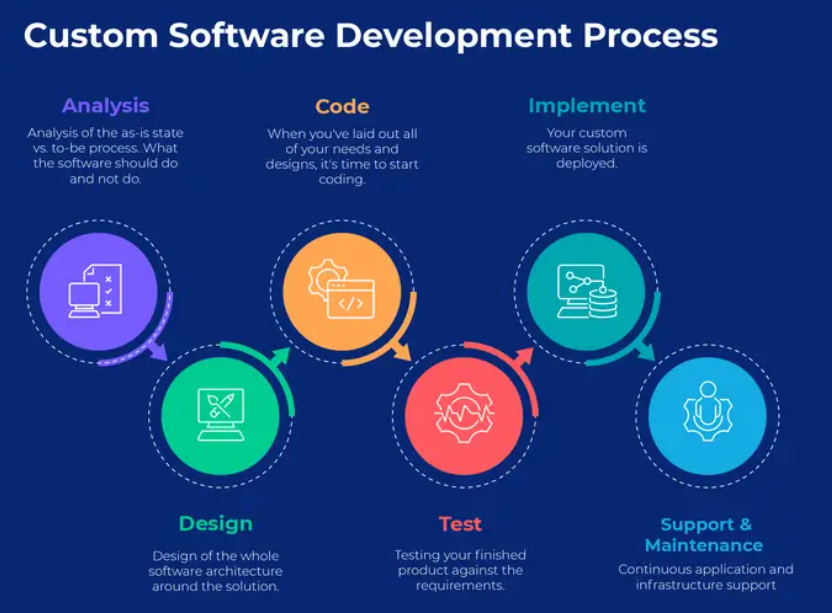
No-code platforms offer speed and convenience, making them attractive for early-stage validation. However, they introduce long-term constraints in scalability, customization, and data ownership. Custom mobile app development, while requiring higher upfront investment, delivers full control over architecture, performance, and integrations. This approach is essential for businesses with complex workflows, proprietary logic, or growth ambitions. No-code […]
Web Development in 2025: Modern Frameworks, Performance Standards, and Best Practices
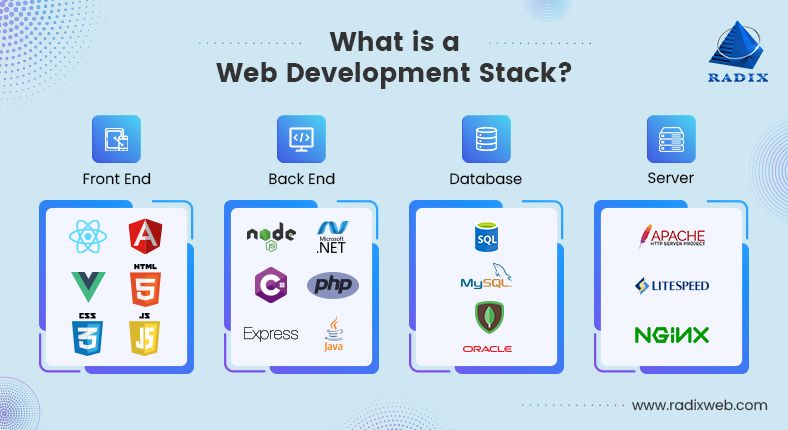
Web development in 2025 is defined by performance, scalability, and user-centric design. Businesses are no longer competing on aesthetics alone—speed, accessibility, and technical SEO now dictate digital success. Modern frameworks such as React, Next.js, and Vue enable component-driven development, while server-side rendering and edge computing improve load times and search visibility. Performance benchmarks like Core […]
Mobile App Development Explained: From Concept Validation to Scalable Launch
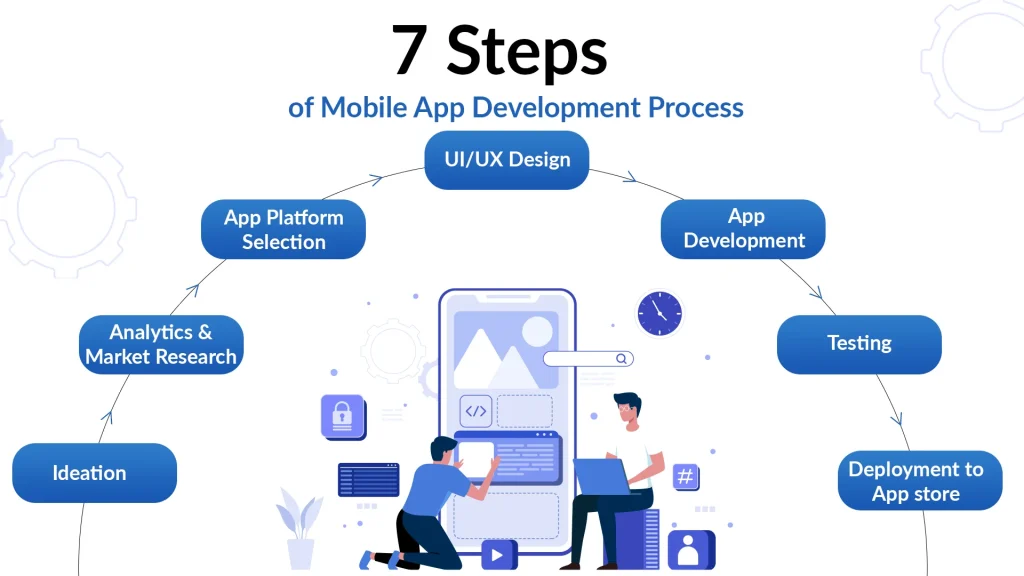
Mobile app development is no longer just about building software—it is about executing a scalable digital strategy. A successful mobile application begins with concept validation, ensuring the problem being solved has real market demand. This phase involves competitor analysis, user persona definition, and feasibility assessments to de-risk the investment early. Once validated, teams move into […]